





The Complete Guide to Solid Polycarbonate Sheets: Properties, Applications & Installation
Contents |
[edit] Understanding Modern Plastic Glazing Solutions
When it comes to durable and versatile building materials, Solid Polycarbonate Sheets stand out as an exceptional choice for both commercial and residential applications. These thermoplastic panels offer a unique combination of strength, clarity, and lightweight properties that make them ideal for projects ranging from architectural glazing to protective barriers. Unlike traditional glass, they provide superior impact resistance while maintaining excellent light transmission, making them a preferred material in construction and design industries worldwide.
[edit] Material Characteristics and Performance
Polycarbonate Sheets are engineered polymers known for their remarkable durability and weather resistance. The material can withstand extreme temperatures without becoming brittle or losing structural integrity. With an impact strength nearly 250 times greater than glass, these sheets resist cracking and shattering even under significant force. The UV-resistant coating applied during manufacturing ensures long-term clarity and prevents yellowing, extending the product's lifespan to 10-15 years or more with proper maintenance.
[edit] Roofing Applications and Light Transmission
For projects requiring both protection and natural illumination, Transparent Corrugated Roofing Sheets offer an excellent solution. The corrugated profile provides additional strength while allowing maximum light penetration, making them particularly suitable for carports, patios, and covered walkways. These sheets efficiently channel water away during rainfall while maintaining structural stability under snow loads. The wavy design also adds aesthetic appeal to modern architectural projects, creating interesting shadow patterns and visual texture.
[edit] Agricultural and Horticultural Uses
When selecting materials for controlled growing environments, the Best Multiwall Polycarbonate Sheets For Greenhouses provide optimal insulation and light diffusion properties. The cellular structure traps air between layers, creating thermal efficiency that reduces heating costs during colder months. Light diffusion through the multi-layer design eliminates hot spots and ensures even distribution across plant surfaces, promoting healthier growth. Professional growers appreciate how these sheets balance light transmission with heat retention, creating ideal conditions for year-round cultivation.
[edit] Installation Methods and Best Practices
Proper installation begins with accurate measurement and appropriate fastening techniques. Pre-drilling holes slightly larger than fastener diameter allows for thermal expansion and contraction without causing stress cracks. When working with quality suppliers like Mount, professionals gain access to comprehensive technical support and premium-grade materials that meet industry standards. Using compatible sealants and closure strips prevents moisture infiltration while maintaining clean, professional appearances. Always follow manufacturer guidelines regarding minimum slope requirements and support spacing to ensure optimal performance.
[edit] Maintenance and Longevity Considerations
Regular cleaning with mild soap and water preserves clarity and appearance throughout the material's service life. Avoid abrasive cleaners or rough cloths that could scratch protective coatings. Inspect fasteners and seals annually, replacing any degraded components to prevent water intrusion. The low maintenance requirements make these sheets cost-effective over time, requiring minimal intervention compared to traditional glazing materials. Proper care ensures decades of reliable performance with minimal degradation in optical quality or structural strength.
[edit] Conclusion
The versatility and performance characteristics of modern polycarbonate products make them indispensable in contemporary construction and design. From solid panels to corrugated profiles and specialized greenhouse applications, these materials continue to evolve, offering improved sustainability and functionality for diverse project requirements.
Featured articles
Check out some of the best features and news from Designing Buildings as well as key stories from around the web.
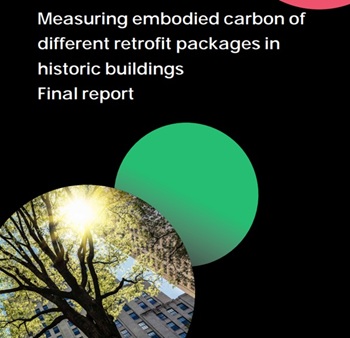
Historic England publishes research into embodied carbon when retrofitting traditional buildings.

New Prime Minister delivers on ECA call for cut in electricity costs.

CIOB reacts to the announcement of Andy Burnham as Prime Minister.

Heritage and conservation science workforce survey - Have your say.

England's Suburbs 1820-2020. Book review.

New, more proportionate and targeted approach for higher-risk building assessments.
Government brings British Steel into public ownership.
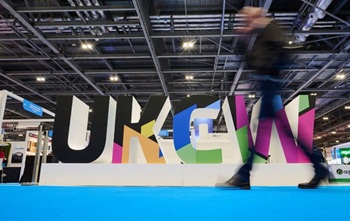
UKCW Birmingham returns with bold new theme and focus.

New guidance published on competence requirements for self-certification schemes.
Construction Management, 8 July
NEETs crisis drives interest in trades, but apprenticeships barriers remain.
Passive fire protection webinar

MEP services penetration seals.

Where its at podcast (and video) - The role of the Architectural Technologist as an Expert Witness.